Why Should Homeowners Schedule Heating Maintenance This Fall?

Get Heating Systems Ready for Colder Weather With Maintenance

As fall begins, colder weather is on its way, so it's important to prepare the home's heating system. Scheduling professional heater maintenance in the autumn offers a multitude of benefits, ensuring the system is not only ready to tackle the chill but is also operating efficiently and safely throughout the winter. This post will discuss heating maintenance, including its advantages, what it entails, and why it’s best done in the fall.

Benefits of Maintaining the Heater

save money Annual heater maintenance offers several advantages. A well-maintained heating system operates with greater energy efficiency, meaning it can achieve and sustain desired indoor temperatures using less energy. This optimized performance translates directly into lower utility bills, as the heater won't have to work as hard to keep the home warm. Furthermore, professional technicians can identify and address minor issues before they escalate into major problems, significantly reducing the likelihood of unexpected breakdowns that can leave the home without heating and costly repairs during the coldest months when the household relies on the heater the most.

Beyond utility bill savings and reliability, regular maintenance also contributes to the longevity of the heating system. By keeping components clean, calibrated, and in good working order, annual heating tune-ups help to minimize wear and tear. This preventative care extends the overall lifespan of the heater, protecting a homeowner’s investment and delaying the need for a premature and expensive heater replacement. So, scheduling routine heater maintenance is a proactive step that ensures the home remains comfortable, energy costs stay manageable, the heating system is more dependable with fewer issues, and continues to serve the household effectively for longer.

What Does Heater Maintenance Entail?

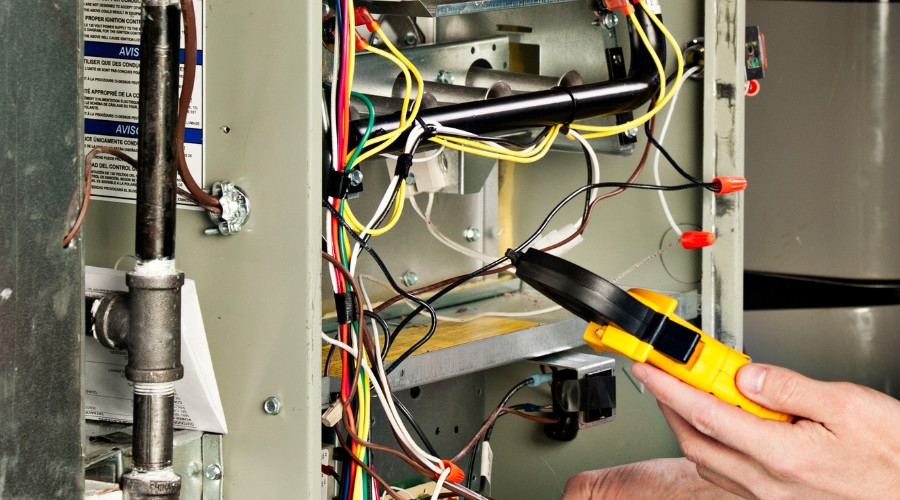
filter During an annual heater maintenance visit, a trained professional performs a comprehensive series of checks and services to ensure the heating system is running optimally and safely. This includes a thorough inspection of all major components, such as the heat exchanger, burner, and electrical or gas connections, to identify any signs of wear or damage. The technician will also clean key parts, lubricate moving parts, check and adjust thermostat settings for accuracy and efficiency, and test safety controls to prevent malfunctions. The inspection and tasks professionals do during maintenance visits all contribute to the system's overall performance and home comfort.

While routine professional maintenance is crucial, homeowners can also play an important role in their heating system's efficiency and longevity by regularly changing air filters. Although a technician will typically inspect and replace the filter if necessary during a maintenance visit, air and furnace filters require replacement more frequently than routine maintenance. Air filter replacement is typically needed every one to three months. A dirty air filter restricts airflow, forcing the heater to work harder, which wastes energy, increases utility bills, and puts unnecessary strain on the system. Neglecting this simple task can also lead to reduced indoor air quality and, over time, can contribute to system breakdowns, making routine filter changes a vital part of ongoing heater care.

Is It Too Early to Worry About the Heater?

While some people may wait until winter to worry about maintaining the heater, pre-season check-ups in the fall can be beneficial for a few reasons. Heater or furnace maintenance now in the fall ensures the heater operates at peak efficiency when the cold sets in. A well-maintained heating system requires less energy to heat the home, directly translating into lower utility bills during the fall and winter months when the heating system will be working its hardest. By optimizing its performance before heavy use, maintenance in the fall can lead to a more cost-effective heating season.

Scheduling heater maintenance in the fall can also be beneficial for scheduling and convenience. Heating contractors are typically less busy during the autumn months compared to the peak winter season, allowing for greater flexibility in scheduling service at a time that's most convenient for homeowners. Maintenance in the fall also provides a crucial window to identify and address any potential issues or necessary repairs before the heater becomes more essential due to colder weather. Resolving problems early on prevents unexpected breakdowns and ensures the home remains warm and cozy throughout the coldest parts of the year.

About A-Plus Air Conditioning & Home Solutions

A-Plus Air Conditioning & Home Solutions has more than 45 years of experience serving the Austin community. They offer flat-rate pricing and provide personable, experienced staff that homeowners can trust. Call them for heater maintenance and repair services in Austin, TX.

Distribution Links +

Improve Comfort and Efficiency With Weatherization Services

Common Weatherization Techniques and Signs Weatherization Is Needed

Is the home drafty? Do energy bills seem unusually high? These can be signs that a home could benefit from weatherization. Weatherization involves a variety of techniques designed to seal the building envelope, enhancing energy efficiency and comfort by sealing air leaks and improving insulation. This post will share signs indicating a home needs weatherization services and some common and beneficial weatherization methods.

Signs a Home Needs Weatherization

bills Recognizing the signs that a home needs weatherization is the first step toward a more comfortable and energy-efficient living space. One of the most common indicators is the presence of noticeable drafts, especially near windows and doors, even when they are closed. These drafts are often accompanied by visible gaps or cracks around doors and windows, allowing conditioned air to escape and unconditioned air to enter. Inconsistent indoor temperatures throughout a house, with some rooms cooler while others are too warm, can also point to inadequate insulation or air sealing and the need for weatherization.

Another sign that indicates a home would benefit from weatherization is high energy bills. High utility bills can signal that the heating and air conditioning systems are working harder than necessary to maintain desired indoor temperatures due to air leaks or poor insulation. Additionally, if people notice that dust accumulates rapidly indoors, it can indicate gaps in the building envelope that weatherization can address. Addressing these issues not only improves home comfort but also improves energy efficiency, which can lead to substantial savings on energy costs over time.

Weatherstripping

weatherstrippingWeatherstripping is used to seal openings around movable components of a building, primarily doors and windows. It's typically made from materials like foam, rubber, felt, and vinyl, designed to compress and create a tight seal when a door or window is closed. The primary purpose of weatherstripping is to prevent air leakage, which includes the infiltration of drafts, dust, moisture, and even sound. By creating a barrier between the indoor and outdoor environments, weatherstripping plays a crucial role in maintaining a consistent indoor temperature and protecting the interior from external elements.

The benefits of properly installed weatherstripping are significant. Firstly, it improves a home's energy efficiency by reducing the amount of conditioned air that escapes and unconditioned air that enters. This lessens the workload on heating and cooling systems, leading to lower energy consumption and reduced utility bills. Secondly, weatherstripping enhances indoor comfort by eliminating cold drafts in winter and preventing hot air from entering in summer. Additionally, it helps to keep out dust and allergens, contributing to better indoor air quality, and can even reduce noise pollution from outside, creating a quieter living space.

Improving Insulation

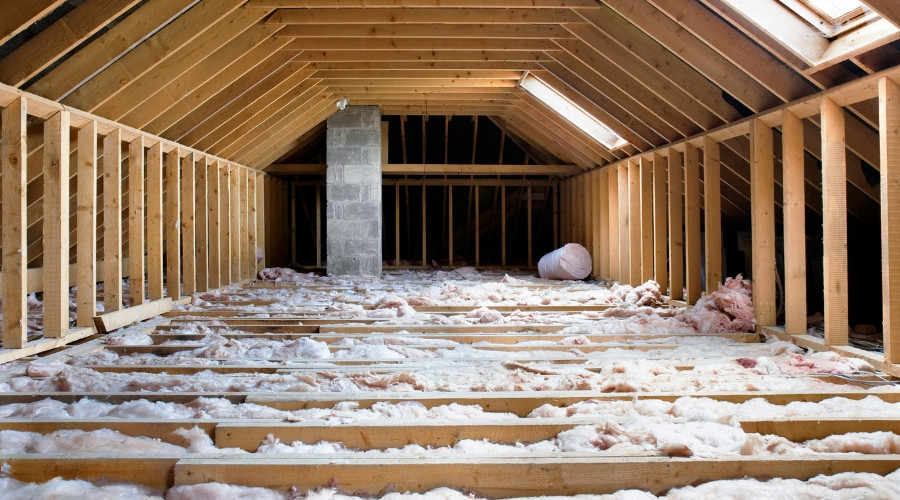
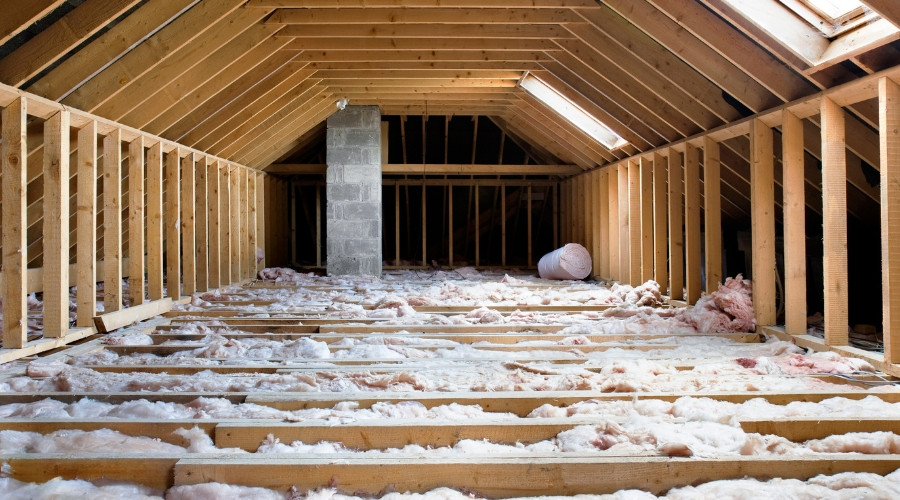
Beyond sealing air leaks around doors and windows with weatherstripping, enhancing a home's insulation is another effective weatherization technique. Adding insulation, particularly in attics and walls, acts as a thermal barrier, significantly slowing the transfer of heat between a home's interior and the outside environment. In colder months, this means the furnace or heating system doesn't have to work as hard to keep the house warm by preventing heat from escaping through poorly insulated surfaces. During warmer periods of the year, good insulation prevents external heat from infiltrating living spaces, reducing the demand on air conditioning. This consistent thermal regulation is crucial for maintaining a comfortable indoor temperature year-round, regardless of the weather outside.

However, the benefits of improved insulation extend far beyond just comfort. By reducing heat transfer, enhanced insulation directly translates to lower energy consumption for heating and cooling, resulting in substantial savings on utility bills. Furthermore, a well-insulated home experiences fewer temperature fluctuations, eliminating cold spots and overly warm areas, which contributes to a more consistent and pleasant indoor climate. It also helps lessen the strain on heating and AC systems, potentially extending their lifespan. Investing in better insulation is a long-term solution that not only makes the home more energy-efficient and comfortable but also increases its value.

About A-Plus Air Conditioning & Home Solutions

A-Plus Air Conditioning & Home Solutions is a family-owned and operated company serving the Austin area since 1977. They offer friendly and fast service, financing, and flat-rate pricing. Call them for weatherization services in Austin, TX.

Distribution Links +

Improve Comfort and Efficiency With Weatherization Services

Common Weatherization Techniques and Signs Weatherization Is Needed

Is the home drafty? Do energy bills seem unusually high? These can be signs that a home could benefit from weatherization. Weatherization involves a variety of techniques designed to seal the building envelope, enhancing energy efficiency and comfort by sealing air leaks and improving insulation. This post will share signs indicating a home needs weatherization services and some common and beneficial weatherization methods.

Signs a Home Needs Weatherization

bills Recognizing the signs that a home needs weatherization is the first step toward a more comfortable and energy-efficient living space. One of the most common indicators is the presence of noticeable drafts, especially near windows and doors, even when they are closed. These drafts are often accompanied by visible gaps or cracks around doors and windows, allowing conditioned air to escape and unconditioned air to enter. Inconsistent indoor temperatures throughout a house, with some rooms cooler while others are too warm, can also point to inadequate insulation or air sealing and the need for weatherization.

Another sign that indicates a home would benefit from weatherization is high energy bills. High utility bills can signal that the heating and air conditioning systems are working harder than necessary to maintain desired indoor temperatures due to air leaks or poor insulation. Additionally, if people notice that dust accumulates rapidly indoors, it can indicate gaps in the building envelope that weatherization can address. Addressing these issues not only improves home comfort but also improves energy efficiency, which can lead to substantial savings on energy costs over time.

Weatherstripping

weatherstrippingWeatherstripping is used to seal openings around movable components of a building, primarily doors and windows. It's typically made from materials like foam, rubber, felt, and vinyl, designed to compress and create a tight seal when a door or window is closed. The primary purpose of weatherstripping is to prevent air leakage, which includes the infiltration of drafts, dust, moisture, and even sound. By creating a barrier between the indoor and outdoor environments, weatherstripping plays a crucial role in maintaining a consistent indoor temperature and protecting the interior from external elements.

The benefits of properly installed weatherstripping are significant. Firstly, it improves a home's energy efficiency by reducing the amount of conditioned air that escapes and unconditioned air that enters. This lessens the workload on heating and cooling systems, leading to lower energy consumption and reduced utility bills. Secondly, weatherstripping enhances indoor comfort by eliminating cold drafts in winter and preventing hot air from entering in summer. Additionally, it helps to keep out dust and allergens, contributing to better indoor air quality, and can even reduce noise pollution from outside, creating a quieter living space.

Improving Insulation

Beyond sealing air leaks around doors and windows with weatherstripping, enhancing a home's insulation is another effective weatherization technique. Adding insulation, particularly in attics and walls, acts as a thermal barrier, significantly slowing the transfer of heat between a home's interior and the outside environment. In colder months, this means the furnace or heating system doesn't have to work as hard to keep the house warm by preventing heat from escaping through poorly insulated surfaces. During warmer periods of the year, good insulation prevents external heat from infiltrating living spaces, reducing the demand on air conditioning. This consistent thermal regulation is crucial for maintaining a comfortable indoor temperature year-round, regardless of the weather outside.

However, the benefits of improved insulation extend far beyond just comfort. By reducing heat transfer, enhanced insulation directly translates to lower energy consumption for heating and cooling, resulting in substantial savings on utility bills. Furthermore, a well-insulated home experiences fewer temperature fluctuations, eliminating cold spots and overly warm areas, which contributes to a more consistent and pleasant indoor climate. It also helps lessen the strain on heating and AC systems, potentially extending their lifespan. Investing in better insulation is a long-term solution that not only makes the home more energy-efficient and comfortable but also increases its value.

About A-Plus Air Conditioning & Home Solutions

A-Plus Air Conditioning & Home Solutions is a family-owned and operated company serving the Austin area since 1977. They offer friendly and fast service, financing, and flat-rate pricing. Call them for weatherization services in Austin, TX.

Distribution Links +

Things to Consider Upgrading When Remodeling a Bathroom

Upgrade Bathrooms With a Bathroom Renovation

Planning a bathroom remodel can be an exciting endeavor, offering the opportunity to transform an outdated bathroom into a personal oasis. Whether people are looking to enhance daily convenience or create a luxurious retreat, several key areas deserve attention. From upgrading bathroom sinks, faucets, and vanities to rethinking the shower experience and even the installation of a new bathtub, each decision contributes to the overall aesthetic and utility of a bathroom. This guide will discuss various ideas to help homeowners achieve the bathroom of their dreams.

Replace the Bathroom Vanity and Sink

Replacing a bathroom sink, faucet, and vanity can instantly transform the look and feel of a home's bathroom. This upgrade offers a significant aesthetic improvement, as the vanity often serves as a focal point in the space. Beyond just looks, a new vanity can also provide much-needed storage, helping to declutter countertops and keep the bathroom tidy. Consider styles and materials that complement the overall bathroom design, and choose a sink and faucet combination that is both functional and visually appealing.

When making this renovation, think about the impact of the sink and faucet choices. A new faucet, in particular, can be a surprisingly effective way to modernize a bathroom, with various finishes and styles of faucets available to match any style or decor. Upgrading to a deeper sink can offer more practicality, preventing splashes and providing a more comfortable washing experience. 

For those with the space, installing a double vanity with two sinks and faucets is an excellent upgrade, especially for shared bathrooms. This addition significantly increases functionality by allowing two people to use the sink area simultaneously, reducing morning rush-hour stress. A double vanity also offers more counter space and storage, which can be invaluable in busy households. It’s a worthwhile investment that adds convenience, luxury, and potentially increases the value of the home.

Upgrade the Shower

showerUpgrading the shower is a pivotal part of many bathroom renovations, significantly enhancing both aesthetics and functionality. Consider incorporating a built-in shower bench, which offers a comfortable and accessible seating option, particularly beneficial for individuals with mobility challenges or people who simply desire a convenient spot to shave. A well-designed bench can also serve as a convenient shelf for toiletries.

A new shower surround can significantly impact the overall look and feel of a bathroom. Options range from classic tile work, which offers endless design possibilities and durability, to low-cost and low-maintenance acrylic or fiberglass panels. Upgrading the surround can protect walls from moisture and provide a fresh, updated aesthetic that complements the chosen showerhead and faucet. It's an opportunity to introduce new textures, colors, and patterns, truly transforming the shower into a central design element of the bathroom.

Showerhead replacement offers a wide array of choices to suit various preferences. For those focused on water conservation and lower water bills, a low-flow showerhead is an excellent option. If relaxation and superior water coverage are priorities, a rain showerhead can transform daily showers into a spa-like experience. For added flexibility and ease of use, especially for washing children or pets, or for targeted rinsing, a handheld showerhead can be a great choice. Pairing a new showerhead with a matching shower faucet and handles will complete the cohesive look, ensuring both style and functionality are seamlessly integrated into the updated shower.

Install a Bathtub

bathtubUpgrading an existing bathtub or installing a new one can dramatically enhance a bathroom's functionality and create a more relaxing oasis. A new tub can serve as a focal point, improving the overall aesthetic of a bathroom, while offering a dedicated space for unwinding. Beyond the visual appeal, a well-chosen bathtub can increase a home's value and cater to diverse needs, from quick washes to leisurely soaks. 

There are many types of bathtubs that offer distinct advantages depending on space and preference. An alcove bathtub is an excellent space-saving option, enclosed on three sides, and is ideal for combining a shower and tub, making it perfect for smaller bathrooms or guest baths. For those with more space and a desire for a luxurious statement piece, a freestanding bathtub provides a classic focal point. Soaking bathtubs are deeper than standard tubs, designed for full immersion and ultimate relaxation. Other options include drop-in tubs that are installed within a deck or platform, and walk-in tubs, which offer increased accessibility for individuals with mobility challenges.

About A-Plus Air Conditioning & Home Solutions

A-Plus Air Conditioning & Home Solutions is a family-owned and operated company serving the Austin community since 1977. They provide fast and friendly service, flat-rate pricing, and financing. Call them for bathroom remodeling services in Austin, TX.

Distribution Links +

Air Conditioning 101: A Guide to Important Air Conditioning Basics

Essential Air Conditioning Basics for Homeowners to Know

As the summer days begin to wane and the back-to-school season approaches, it's a great time to ensure the home's comfort system is in top shape. Understanding some air conditioning basics is crucial for taking proper care of the air conditioning system and knowing when issues arise. This guide will cover some important basics to know about air conditioning, including common types of AC systems, key indicators that signal the need for air conditioner repair, and the vital role of routine maintenance.

Common Types of Air Conditioning Systems

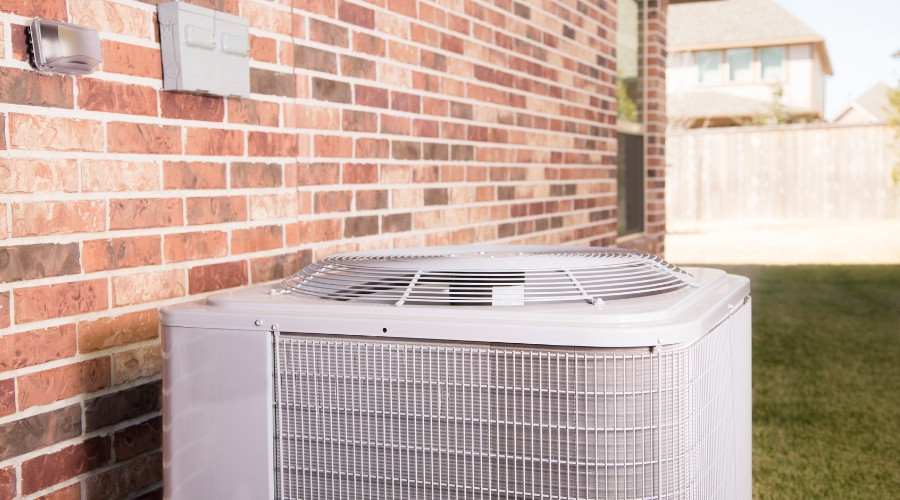
acWhen it comes to keeping homes cool, two prevalent systems are central air conditioning and ductless mini-split systems, each offering distinct benefits. A central AC system relies on air ducts to distribute cooled air throughout the entire home. This system is ideal for homeowners who desire uniform cooling across multiple rooms and appreciate the discreet nature of the system, with only vents visible from inside the home. The main benefits of a central air conditioning system lie in its lower upfront cost and the ability to provide consistent temperatures throughout the entire house.

In contrast, a ductless mini-split system consists of an outdoor unit connected to one or more indoor air-handling units that are mounted directly on walls or ceilings, without the need for ductwork. One benefit of a ductless mini-split air conditioner is its flexibility, allowing for zone cooling where individual rooms or areas can be cooled independently of each other, which makes them perfect for cooling additions or homes without existing ductwork or the space to install ducts. They also provide better energy efficiency, which leads to reduced energy consumption and lower monthly energy bills.

Signs Air Conditioner Repair Is Needed

Recognizing the early warning signs of a problem with the air conditioning system and calling for AC repair can help prevent a complete system breakdown, discomfort, and more costly repairs. If homeowners notice any of the following indicators, it indicates a professional should be called for air conditioning repair:

  • Strange Noises: The AC unit should operate relatively quietly. Grinding, squealing, banging, or other unusual noises can signal a problem that requires immediate attention.
  • Reduced Airflow: If the air coming from vents is weak or uneven, it could be a sign of a clogged air filter, issues with the blower motor, or other issues. This insufficient airflow can cause the system to struggle to cool the home effectively and lead to uneven cooling from room to room.
  • Warm Air: One obvious sign of an issue is when the AC system starts blowing warm air from vents instead of cool air. This could be due to a refrigerant leak, a malfunctioning compressor, or other problems.
  • Unpleasant Odors: Musty, moldy, or burning smells emanating from the AC vents are not normal. A musty smell might indicate mold growth within the system or ductwork, while a burning smell could point to electrical issues or overheating.
  • Water Around the AC Unit: A puddle of water around the AC unit can indicate a clogged condensate drain line, a cracked drain pan, or other issue.
  • Increased Energy Bills: An unexplained spike in electricity bills can be a strong indicator that the AC unit is operating inefficiently due to an issue such as a refrigerant leak, dirty coils, or more. 

Ignoring these signs can lead to more damage and potentially a complete system failure. Promptly addressing these issues with professional AC repair can help maintain comfort and avoid more expensive problems down the line.

The Importance of AC Maintenance

filterRoutine air conditioner maintenance is paramount to the longevity and efficiency of an air conditioning system. Annual AC tune-ups offer numerous benefits, including improved energy efficiency, lower cooling costs, an extended lifespan, better indoor air quality, and reduced risk of issues and unexpected breakdowns. 

During a maintenance visit, a technician will perform a comprehensive inspection and important tasks, including cleaning the condenser and evaporator coils, checking refrigerant levels, lubricating moving parts, inspecting electrical connections, and testing the thermostat. Inspecting the system and performing these maintenance tasks helps prevent problems and allows professionals to identify and address minor issues before they escalate into more costly ones, ensuring the AC system operates at peak performance throughout the year.

Beyond annual air conditioning maintenance, another crucial part of maintaining an AC system is regularly changing air filters. While professional maintenance is recommended annually, air filters often need to be replaced every 1-3 months, depending on the type of AC filter, pet presence, and overall household dust levels. A clean air filter is vital for maintaining good airflow and preventing dust and debris from accumulating on the internal components of the AC system. Routine air filter replacement also helps with indoor air quality, energy efficiency, lower energy bills, and the lifespan of the air conditioner.

About A-Plus Air Conditioning & Home Solutions

A-Plus Air Conditioning & Home Solutions has more than 45 years of experience serving the Austin area. They provide flat-rate pricing, financing, and are fully licensed. Call them for AC repair and maintenance services in Austin, TX

Distribution Links +