Heat Pumps Explained
If homeowners are considering options for their home's heating and cooling system, one option to consider is heat pump installation. Heat pumps are an innovative, energy-efficient solution gaining popularity among homeowners. This guide will explore what heat pumps are, how they work, their benefits, and signs that repair is needed.
What Is a Heat Pump?
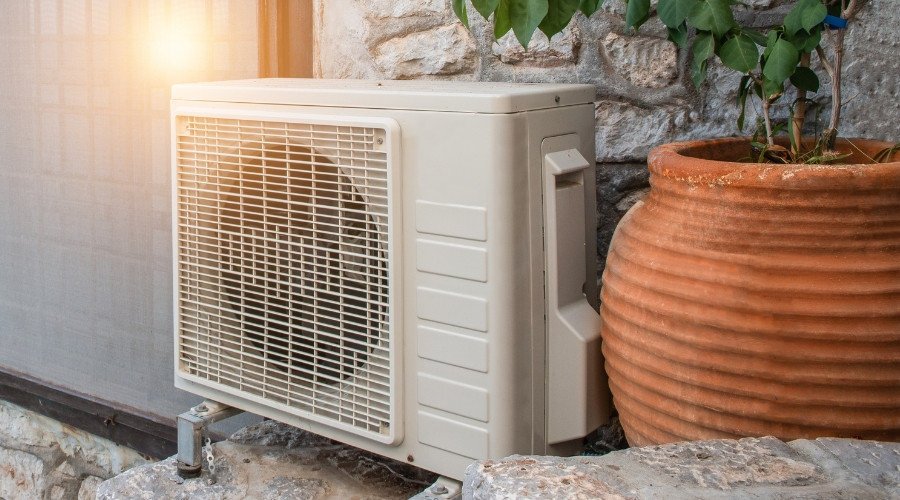
A heat pump is an all-in-one heating and cooling system that transfers heat rather than generating it. In cooler months, it extracts heat from the outside and transfers it indoors. During warmer months, the process reverses, pulling heat from inside the home and releasing it outdoors, effectively cooling the space. This dual functionality makes heat pumps a versatile and energy-efficient solution for maintaining comfortable indoor temperatures year-round.
Heat pumps offer flexibility in installation, available as either ducted or ductless systems to suit various home layouts and needs. Ducted systems integrate with existing ductwork or require new duct installation, distributing conditioned air throughout the house. Ductless mini-split heat pumps, on the other hand, are ideal for homes without existing ducts or for targeted heating and cooling in specific zones. Both options provide efficient climate control, contributing to significant energy savings.
Benefits of Installing a Heat Pump
 Installing a heat pump offers several advantages, primarily centered around its exceptional energy efficiency. Unlike traditional heating systems that generate heat through combustion or electric resistance, heat pumps simply transfer existing heat. This fundamental difference means they consume significantly less energy to achieve the desired temperature, leading directly to lower utility bills. Homeowners can experience substantial savings on their monthly energy costs, making heat pumps a smart long-term investment.
Beyond energy savings, another key benefit of heat pump installation is its dual functionality. A heat pump system can provide both efficient heating in cooler months and effective cooling during warmer months, eliminating the need for separate heating and cooling units and offering year-round comfort with a single integrated system. This versatility, combined with their reduced environmental impact, makes heat pumps an increasingly attractive option for modern homes.
Signs Heat Pump Repair Is Needed
 Recognizing the early signs that a heat pump may need repair can prevent more significant issues and costly breakdowns. One common indicator is unusual noises from the unit. While some operational sounds are normal, others, such as grinding, hissing, banging, persistent rattling, or other unusual sounds, often point to mechanical problems like a failing motor, loose parts, or refrigerant leaks.
Another clear sign is weak or no airflow from the vents, which could suggest issues with the fan, evaporator coil, or even ductwork obstructions. Similarly, if the home experiences fluctuating or inconsistent temperatures, it's a strong indication that the heat pump's ability to regulate temperature effectively is compromised.
Additionally, keep an eye on energy bills. A sudden, unexplained spike in energy consumption when usage patterns haven't changed can signal that the heat pump is working harder than it should to reach the desired temperature, often due to inefficiencies or a failing component. Also, if a heat pump gets stuck in either the heating or cooling mode and is unable to switch between the two, or if it cycles on and off too frequently, these are often signs of a malfunction in the system's reversal valve or controls. Addressing these signs promptly with professional heat pump repair can restore the heat pump's efficiency and prolong its lifespan.
About A-Plus Air Conditioning & Home Solutions
A-Plus Air Conditioning & Home Solutions is a family-owned and operated company serving the Austin area since 1977. They offer fast and friendly service, flat-rate pricing, and financing. Call them for heat pump installation and repair services in Austin, TX.
)


 Running the same system all year to heat and cool the home helps keep things running smoothly, but eventually, heat pump repairs will be needed. While heat pumps are prized for their reliability, they can start to have problems over time, and when this occurs, recognizing the signs can help homeowners respond more quickly to issues. Some of the signs that heat pump repair is needed are:
)
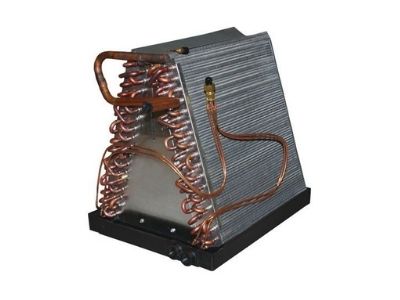 HVAC systems involve many individual parts that work together to heat or cool a home or business. Some of the main components of a typical HVAC system include the evaporator coil, condenser coil, compressor, heat exchanger, blower fan, air ducts, and air filter.
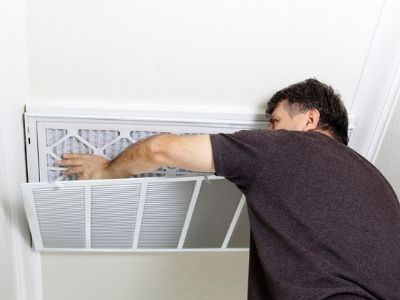 With all that dust, dirt, and other debris getting caught in the
 )
)
)