A Brief Guide to Heat Pump Systems

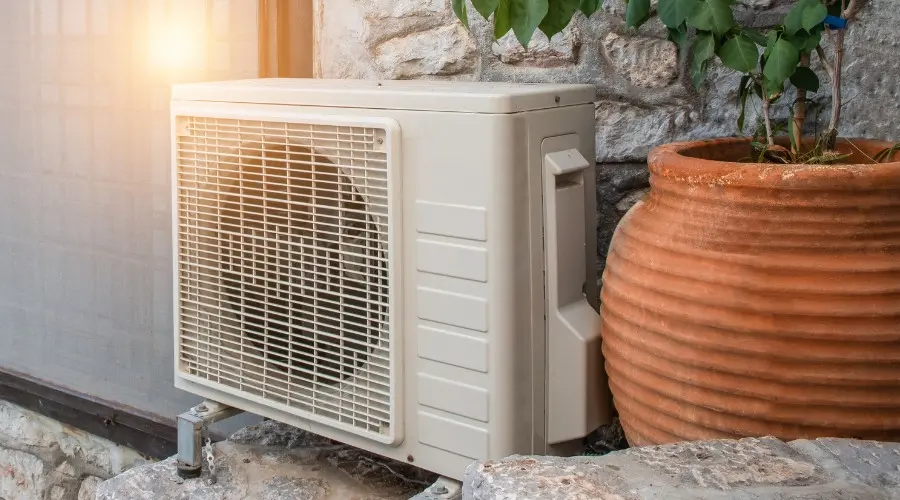
Heat pump unit installed outside a home, surrounded by stone wall and potted plant, illustrating energy-efficient HVAC solutions for heating and cooling.

Heat Pumps Explained

If homeowners are considering options for their home's heating and cooling system, one option to consider is heat pump installation. Heat pumps are an innovative, energy-efficient solution gaining popularity among homeowners. This guide will explore what heat pumps are, how they work, their benefits, and signs that repair is needed. 

What Is a Heat Pump?

A heat pump is an all-in-one heating and cooling system that transfers heat rather than generating it. In cooler months, it extracts heat from the outside and transfers it indoors. During warmer months, the process reverses, pulling heat from inside the home and releasing it outdoors, effectively cooling the space. This dual functionality makes heat pumps a versatile and energy-efficient solution for maintaining comfortable indoor temperatures year-round.

Heat pumps offer flexibility in installation, available as either ducted or ductless systems to suit various home layouts and needs. Ducted systems integrate with existing ductwork or require new duct installation, distributing conditioned air throughout the house. Ductless mini-split heat pumps, on the other hand, are ideal for homes without existing ducts or for targeted heating and cooling in specific zones. Both options provide efficient climate control, contributing to significant energy savings.

Benefits of Installing a Heat Pump

Family saving money together, placing coins in a pink piggy bank on a cozy living room floor, emphasizing financial planning and energy savings from heat pump installation.Installing a heat pump offers several advantages, primarily centered around its exceptional energy efficiency. Unlike traditional heating systems that generate heat through combustion or electric resistance, heat pumps simply transfer existing heat. This fundamental difference means they consume significantly less energy to achieve the desired temperature, leading directly to lower utility bills. Homeowners can experience substantial savings on their monthly energy costs, making heat pumps a smart long-term investment.

Beyond energy savings, another key benefit of heat pump installation is its dual functionality. A heat pump system can provide both efficient heating in cooler months and effective cooling during warmer months, eliminating the need for separate heating and cooling units and offering year-round comfort with a single integrated system. This versatility, combined with their reduced environmental impact, makes heat pumps an increasingly attractive option for modern homes.

Signs Heat Pump Repair Is Needed
Hand holding wrenches in front of a heat pump unit, symbolizing heat pump repair and maintenance services.Recognizing the early signs that a heat pump may need repair can prevent more significant issues and costly breakdowns. One common indicator is unusual noises from the unit. While some operational sounds are normal, others, such as grinding, hissing, banging, persistent rattling, or other unusual sounds, often point to mechanical problems like a failing motor, loose parts, or refrigerant leaks. 

Another clear sign is weak or no airflow from the vents, which could suggest issues with the fan, evaporator coil, or even ductwork obstructions. Similarly, if the home experiences fluctuating or inconsistent temperatures, it's a strong indication that the heat pump's ability to regulate temperature effectively is compromised.

Additionally, keep an eye on energy bills. A sudden, unexplained spike in energy consumption when usage patterns haven't changed can signal that the heat pump is working harder than it should to reach the desired temperature, often due to inefficiencies or a failing component. Also, if a heat pump gets stuck in either the heating or cooling mode and is unable to switch between the two, or if it cycles on and off too frequently, these are often signs of a malfunction in the system's reversal valve or controls. Addressing these signs promptly with professional heat pump repair can restore the heat pump's efficiency and prolong its lifespan.

About A-Plus Air Conditioning & Home Solutions

A-Plus Air Conditioning & Home Solutions is a family-owned and operated company serving the Austin area since 1977. They offer fast and friendly service, flat-rate pricing, and financing. Call them for heat pump installation and repair services in Austin, TX.

A Brief Guide to Air Conditioning Repair and When It's Needed

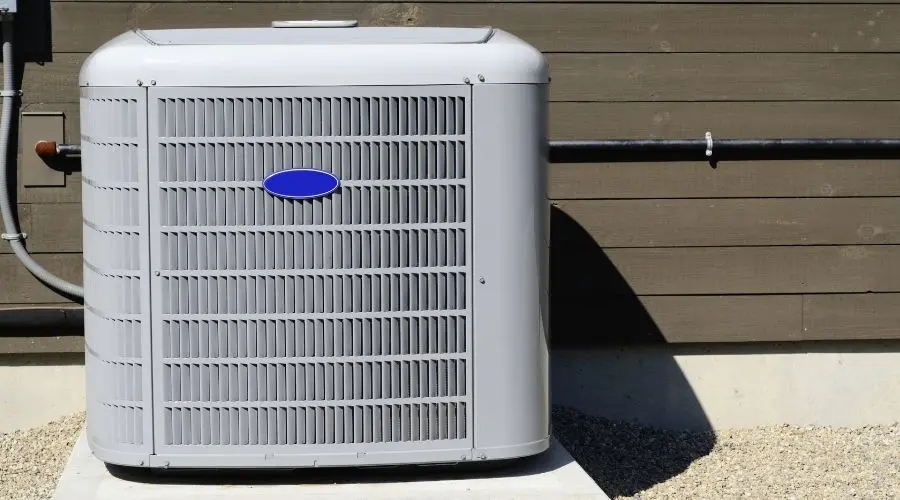
Air conditioning unit installed outside a home, emphasizing HVAC maintenance and efficiency for homeowners.

Ways to Identify AC Problems and How Homeowners May Be Able to Solve Them

Air conditioner repair is the key to restoring comfort and efficiency when unexpected problems or breakdowns occur. Therefore, it’s important to know the warning signs that indicate repair is needed. However, there may also be simple fixes homeowners can try before calling professionals for repair. This guide to air conditioning repair will discuss signs to call for repair, common problems, and steps homeowners can take before calling for repair to see if they resolve the issue. 

Signs AC Repair Is Needed

Woman fanning herself with a blue hand fan, showing discomfort from heat, illustrating the need for air conditioning repair and efficiency in home cooling systems.There are several signs that can signal to homeowners that they should call for AC repair. One common sign that the air conditioning system needs repair is the occurrence of unusual sounds. These strange noises can include grinding, squealing, buzzing, banging, and more. Another obvious sign of problems is temperature inconsistencies, insufficient cooling, or when the AC unit blows warm air instead of cool air.

If homeowners have noticed their monthly energy bills rising without explanation, this can also indicate an issue with the air conditioner and the need for repair. Additional red flags include frequent cycling on and off, unusual odors emanating from vents, and moisture accumulation around the indoor unit. When homeowners notice signs of AC problems, they should call professionals to inspect and repair their system, restoring optimal performance and preventing costly breakdowns during the hot summer months.

Common AC Problems

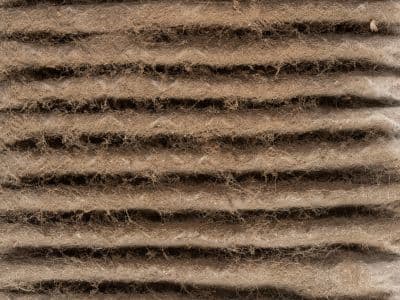
Dirty air filter showing accumulated dust and debris, illustrating the importance of regular air filter maintenance for HVAC efficiency and indoor air quality.When homeowners notice signs that their air conditioner needs repair, a professional will inspect the system to identify the underlying issues. There are many possible issues that could be behind the warning signs. However, some are more common and frequent than others. One common issue with a simple fix is dirty air filters. While routine air filter replacement is important, people may underestimate the effects of leaving old and dirty filters in the system. Dirty air filters restrict airflow, which can cause the home to have temperature inconsistencies and poor airflow, forcing the air conditioner to work harder and lose efficiency, which raises energy costs. 

Dirty condenser and evaporator coils can also create a domino effect of problems. When coils accumulate dust and debris, heat transfer efficiency plummets dramatically. The air conditioning unit may struggle to maintain the desired temperature, resulting in longer run times and higher energy bills. Low refrigerant levels, resulting from a refrigerant leak, can cause several warning signs and problems, including warm air coming from the vents instead of cool air, higher cooling costs, unusual noises, ice formation on coils, and potential compressor damage. 

Additionally, thermostat malfunctions can masquerade as major system failures when the solution is often straightforward. Incorrect calibration, dead batteries, or loose wiring connections can cause temperature inconsistencies and inefficiency. When a professional inspects the AC system, they can determine the underlying reason for the issues households are facing.

Things Homeowners Can Try Before Calling for Repair 

Before calling for professional air conditioner repair, homeowners can try troubleshooting several common issues that have simple fixes and may resolve their cooling problems. However, if these things are not the cause of the warning signs and the household’s AC issues, professionals should be called for repair. 

One thing homeowners can check is their AC filters, and replace them if they appear dirty or clogged, as restricted airflow forces the system to work harder and can cause problems. Homeowners should also verify that their thermostat settings are correct and replace the thermostat’s batteries if needed. Another potential simple fix is to check the home's electrical panel to ensure the circuit breaker for the AC system hasn't tripped. Additionally, homeowners can walk through their homes to confirm all air vents remain open and unblocked by furniture, curtains, or debris.

These simple issues could be causing discomfort or issues around the home. However, if these simple steps don't restore proper cooling or the signs that AC repair is needed continue, it's time to contact a technician who can identify and repair the underlying cause of the problems. Continuing to run a malfunctioning air conditioning system can lead to more expensive repairs or complete equipment failure.

About A-Plus Air Conditioning & Home Solutions

A-Plus Air Conditioning & Home Solutions is a trusted, family-owned and operated company serving the Austin area since 1977. They offer fast, friendly service, flat-rate pricing, and are fully licensed. Call them for AC repair services in Austin, TX.

A Brief Guide to Air Filters

Person's hand inspecting an air conditioning unit's white air filter panels on wood flooring, showcasing home maintenance.

AC and Furnace Filters Explained

Air conditioners and heaters are designed to keep the home comfortable year-round. One function that people tend to overlook is that they also have to work hard to protect indoor air quality. Inside the home, the air can become stale and laden with dust, allergens, and other pollutants. The air filters in the heating and air conditioning system stand between these pollutants and the HVAC equipment. Here is a quick guide to help homeowners understand what air filters do, how often they should be replaced, and the benefits of changing them.

What Do Air Filters Do?

Since good indoor air quality is so essential for health, every air conditioner and furnace has an air filter. One of the reasons for furnace and AC filters is that they keep dust and grime from building up inside the units, allowing it to perform more efficiently and reliably. When these filters are allowed to collect dust and stay dirty, pollutants can make their way into the inner workings of the air conditioner or furnace and cause problems.

As a pleasant side effect, air filters also do an excellent job of cleaning up the air inside the home. AC and heating systems circulate air in the home across the air filter, pulling pollutants out of the air. This helps keep the home’s air cleaner and allows everyone to breathe easier.

When to Replace AC and Furnace Filters

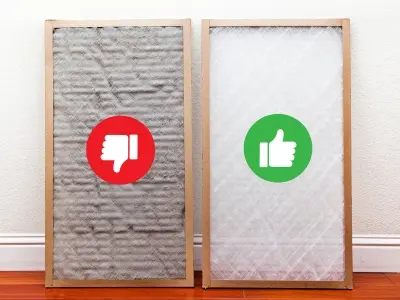
Dirty air filter on the left with red thumbs-down symbol and clean air filter on the right with green thumbs-up symbol, illustrating the importance of regular air filter replacement for HVAC efficiency and indoor air quality.Air filters can collect a lot of dust and allergens from the air. Once air filters are full of dust and grime, they must be replaced. Most air filters should be replaced at least every three months for maximum protection. Waiting longer than this interval can cause dust and allergens to build up in the home. The excess dust can also damage the air conditioner or heater and reduce efficiency by obstructing airflow.

However, if the filter gets dirty before then, it should be replaced. If people in the home suffer from allergies or health problems, more frequent air filter replacements may be needed. This can help keep dust and pollen to a minimum, which is better for their health.

Benefits of Regular Filter Replacement

Woman in yellow sweater reviewing documents while working on a laptop at home, illustrating the importance of maintaining HVAC systems and managing utility bills.Air filter replacement is a simple task that almost everyone can handle. However, when homeowners replace their air filters regularly, they can experience many benefits like:

  • Improved energy efficiency
  • Lower heating and cooling bills
  • Improved indoor air quality
  • Reduced symptoms of allergies and asthma
  • Fewer problems with the heating and cooling system

About A-Plus Air Conditioning & Home Solutions

A-Plus Air Conditioning & Home Solutions aims to keep bills lower and improve air quality for homeowners. That’s why they offer great maintenance plans, and also provide flat rate pricing. Call today for filter replacement and services in Austin, TX.