A Brief Guide to Heat Pump Systems

Heat Pumps Explained

If homeowners are considering options for their home's heating and cooling system, one option to consider is heat pump installation. Heat pumps are an innovative, energy-efficient solution gaining popularity among homeowners. This guide will explore what heat pumps are, how they work, their benefits, and signs that repair is needed. 

What Is a Heat Pump?

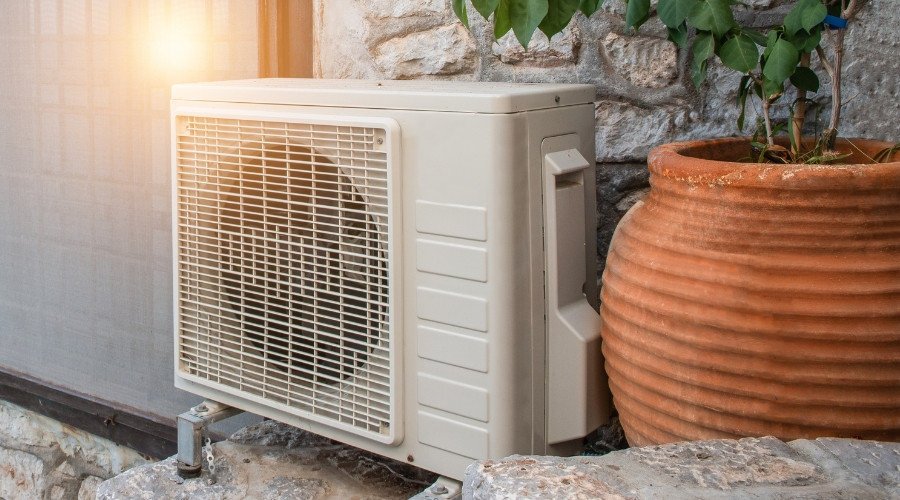
A heat pump is an all-in-one heating and cooling system that transfers heat rather than generating it. In cooler months, it extracts heat from the outside and transfers it indoors. During warmer months, the process reverses, pulling heat from inside the home and releasing it outdoors, effectively cooling the space. This dual functionality makes heat pumps a versatile and energy-efficient solution for maintaining comfortable indoor temperatures year-round.

Heat pumps offer flexibility in installation, available as either ducted or ductless systems to suit various home layouts and needs. Ducted systems integrate with existing ductwork or require new duct installation, distributing conditioned air throughout the house. Ductless mini-split heat pumps, on the other hand, are ideal for homes without existing ducts or for targeted heating and cooling in specific zones. Both options provide efficient climate control, contributing to significant energy savings.

Benefits of Installing a Heat Pump

save moneyInstalling a heat pump offers several advantages, primarily centered around its exceptional energy efficiency. Unlike traditional heating systems that generate heat through combustion or electric resistance, heat pumps simply transfer existing heat. This fundamental difference means they consume significantly less energy to achieve the desired temperature, leading directly to lower utility bills. Homeowners can experience substantial savings on their monthly energy costs, making heat pumps a smart long-term investment.

Beyond energy savings, another key benefit of heat pump installation is its dual functionality. A heat pump system can provide both efficient heating in cooler months and effective cooling during warmer months, eliminating the need for separate heating and cooling units and offering year-round comfort with a single integrated system. This versatility, combined with their reduced environmental impact, makes heat pumps an increasingly attractive option for modern homes.

Signs Heat Pump Repair Is Needed

heat pumpRecognizing the early signs that a heat pump may need repair can prevent more significant issues and costly breakdowns. One common indicator is unusual noises from the unit. While some operational sounds are normal, others, such as grinding, hissing, banging, persistent rattling, or other unusual sounds, often point to mechanical problems like a failing motor, loose parts, or refrigerant leaks. 

Another clear sign is weak or no airflow from the vents, which could suggest issues with the fan, evaporator coil, or even ductwork obstructions. Similarly, if the home experiences fluctuating or inconsistent temperatures, it's a strong indication that the heat pump's ability to regulate temperature effectively is compromised.

Additionally, keep an eye on energy bills. A sudden, unexplained spike in energy consumption when usage patterns haven't changed can signal that the heat pump is working harder than it should to reach the desired temperature, often due to inefficiencies or a failing component. Also, if a heat pump gets stuck in either the heating or cooling mode and is unable to switch between the two, or if it cycles on and off too frequently, these are often signs of a malfunction in the system's reversal valve or controls. Addressing these signs promptly with professional heat pump repair can restore the heat pump's efficiency and prolong its lifespan.

About A-Plus Air Conditioning & Home Solutions

A-Plus Air Conditioning & Home Solutions is a family-owned and operated company serving the Austin area since 1977. They offer fast and friendly service, flat-rate pricing, and financing. Call them for heat pump installation and repair services in Austin, TX.

Distribution Links +

Why Should Homeowners Schedule Heating Maintenance This Fall?

Get Heating Systems Ready for Colder Weather With Maintenance

As fall begins, colder weather is on its way, so it's important to prepare the home's heating system. Scheduling professional heater maintenance in the autumn offers a multitude of benefits, ensuring the system is not only ready to tackle the chill but is also operating efficiently and safely throughout the winter. This post will discuss heating maintenance, including its advantages, what it entails, and why it’s best done in the fall.

Benefits of Maintaining the Heater

save moneyAnnual heater maintenance offers several advantages. A well-maintained heating system operates with greater energy efficiency, meaning it can achieve and sustain desired indoor temperatures using less energy. This optimized performance translates directly into lower utility bills, as the heater won't have to work as hard to keep the home warm. Furthermore, professional technicians can identify and address minor issues before they escalate into major problems, significantly reducing the likelihood of unexpected breakdowns that can leave the home without heating and costly repairs during the coldest months when the household relies on the heater the most.

Beyond utility bill savings and reliability, regular maintenance also contributes to the longevity of the heating system. By keeping components clean, calibrated, and in good working order, annual heating tune-ups help to minimize wear and tear. This preventative care extends the overall lifespan of the heater, protecting a homeowner’s investment and delaying the need for a premature and expensive heater replacement. So, scheduling routine heater maintenance is a proactive step that ensures the home remains comfortable, energy costs stay manageable, the heating system is more dependable with fewer issues, and continues to serve the household effectively for longer.

What Does Heater Maintenance Entail?

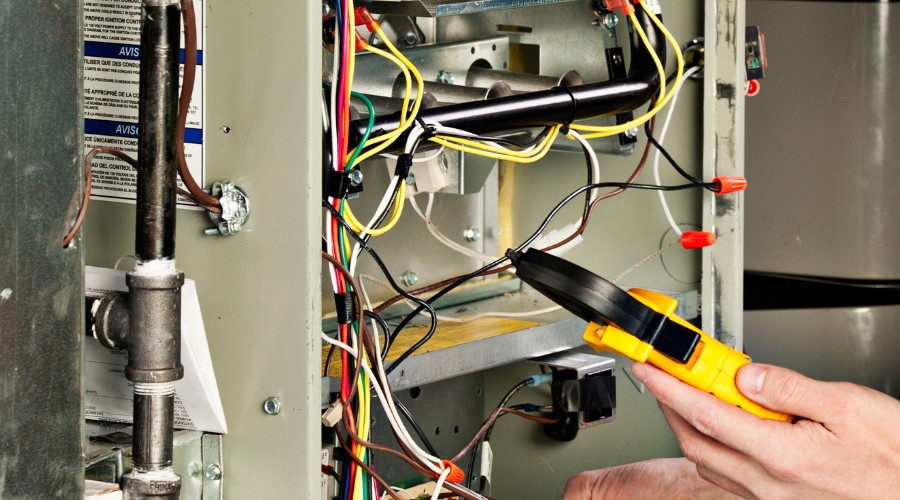
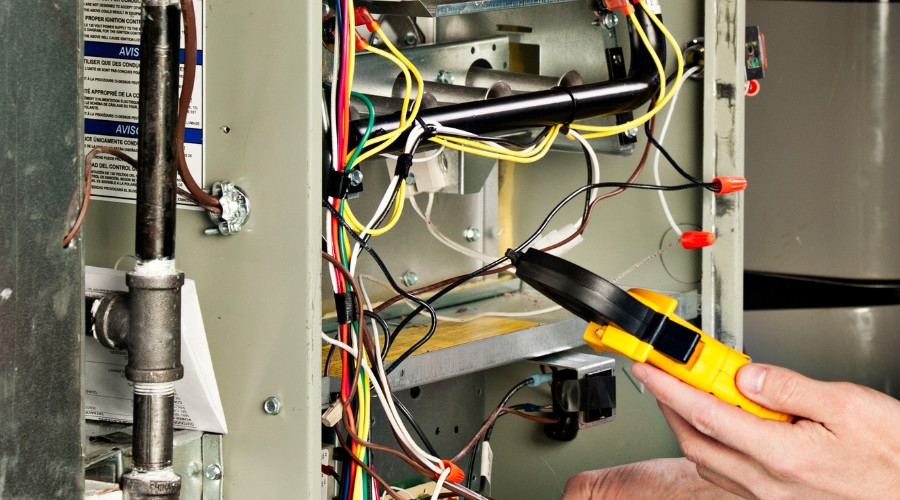
filterDuring an annual heater maintenance visit, a trained professional performs a comprehensive series of checks and services to ensure the heating system is running optimally and safely. This includes a thorough inspection of all major components, such as the heat exchanger, burner, and electrical or gas connections, to identify any signs of wear or damage. The technician will also clean key parts, lubricate moving parts, check and adjust thermostat settings for accuracy and efficiency, and test safety controls to prevent malfunctions. The inspection and tasks professionals do during maintenance visits all contribute to the system's overall performance and home comfort.

While routine professional maintenance is crucial, homeowners can also play an important role in their heating system's efficiency and longevity by regularly changing air filters. Although a technician will typically inspect and replace the filter if necessary during a maintenance visit, air and furnace filters require replacement more frequently than routine maintenance. Air filter replacement is typically needed every one to three months. A dirty air filter restricts airflow, forcing the heater to work harder, which wastes energy, increases utility bills, and puts unnecessary strain on the system. Neglecting this simple task can also lead to reduced indoor air quality and, over time, can contribute to system breakdowns, making routine filter changes a vital part of ongoing heater care.

Is It Too Early to Worry About the Heater?

While some people may wait until winter to worry about maintaining the heater, pre-season check-ups in the fall can be beneficial for a few reasons. Heater or furnace maintenance now in the fall ensures the heater operates at peak efficiency when the cold sets in. A well-maintained heating system requires less energy to heat the home, directly translating into lower utility bills during the fall and winter months when the heating system will be working its hardest. By optimizing its performance before heavy use, maintenance in the fall can lead to a more cost-effective heating season.

Scheduling heater maintenance in the fall can also be beneficial for scheduling and convenience. Heating contractors are typically less busy during the autumn months compared to the peak winter season, allowing for greater flexibility in scheduling service at a time that's most convenient for homeowners. Maintenance in the fall also provides a crucial window to identify and address any potential issues or necessary repairs before the heater becomes more essential due to colder weather. Resolving problems early on prevents unexpected breakdowns and ensures the home remains warm and cozy throughout the coldest parts of the year.

About A-Plus Air Conditioning & Home Solutions

A-Plus Air Conditioning & Home Solutions has more than 45 years of experience serving the Austin community. They offer flat-rate pricing and provide personable, experienced staff that homeowners can trust. Call them for heater maintenance and repair services in Austin, TX.

Distribution Links +

Why Should Homeowners Schedule Heating Maintenance This Fall?

Get Heating Systems Ready for Colder Weather With Maintenance

As fall begins, colder weather is on its way, so it's important to prepare the home's heating system. Scheduling professional heater maintenance in the autumn offers a multitude of benefits, ensuring the system is not only ready to tackle the chill but is also operating efficiently and safely throughout the winter. This post will discuss heating maintenance, including its advantages, what it entails, and why it’s best done in the fall.

Benefits of Maintaining the Heater

save moneyAnnual heater maintenance offers several advantages. A well-maintained heating system operates with greater energy efficiency, meaning it can achieve and sustain desired indoor temperatures using less energy. This optimized performance translates directly into lower utility bills, as the heater won't have to work as hard to keep the home warm. Furthermore, professional technicians can identify and address minor issues before they escalate into major problems, significantly reducing the likelihood of unexpected breakdowns that can leave the home without heating and costly repairs during the coldest months when the household relies on the heater the most.

Beyond utility bill savings and reliability, regular maintenance also contributes to the longevity of the heating system. By keeping components clean, calibrated, and in good working order, annual heating tune-ups help to minimize wear and tear. This preventative care extends the overall lifespan of the heater, protecting a homeowner’s investment and delaying the need for a premature and expensive heater replacement. So, scheduling routine heater maintenance is a proactive step that ensures the home remains comfortable, energy costs stay manageable, the heating system is more dependable with fewer issues, and continues to serve the household effectively for longer.

What Does Heater Maintenance Entail?

filterDuring an annual heater maintenance visit, a trained professional performs a comprehensive series of checks and services to ensure the heating system is running optimally and safely. This includes a thorough inspection of all major components, such as the heat exchanger, burner, and electrical or gas connections, to identify any signs of wear or damage. The technician will also clean key parts, lubricate moving parts, check and adjust thermostat settings for accuracy and efficiency, and test safety controls to prevent malfunctions. The inspection and tasks professionals do during maintenance visits all contribute to the system's overall performance and home comfort.

While routine professional maintenance is crucial, homeowners can also play an important role in their heating system's efficiency and longevity by regularly changing air filters. Although a technician will typically inspect and replace the filter if necessary during a maintenance visit, air and furnace filters require replacement more frequently than routine maintenance. Air filter replacement is typically needed every one to three months. A dirty air filter restricts airflow, forcing the heater to work harder, which wastes energy, increases utility bills, and puts unnecessary strain on the system. Neglecting this simple task can also lead to reduced indoor air quality and, over time, can contribute to system breakdowns, making routine filter changes a vital part of ongoing heater care.

Is It Too Early to Worry About the Heater?

While some people may wait until winter to worry about maintaining the heater, pre-season check-ups in the fall can be beneficial for a few reasons. Heater or furnace maintenance now in the fall ensures the heater operates at peak efficiency when the cold sets in. A well-maintained heating system requires less energy to heat the home, directly translating into lower utility bills during the fall and winter months when the heating system will be working its hardest. By optimizing its performance before heavy use, maintenance in the fall can lead to a more cost-effective heating season.

Scheduling heater maintenance in the fall can also be beneficial for scheduling and convenience. Heating contractors are typically less busy during the autumn months compared to the peak winter season, allowing for greater flexibility in scheduling service at a time that's most convenient for homeowners. Maintenance in the fall also provides a crucial window to identify and address any potential issues or necessary repairs before the heater becomes more essential due to colder weather. Resolving problems early on prevents unexpected breakdowns and ensures the home remains warm and cozy throughout the coldest parts of the year.

About A-Plus Air Conditioning & Home Solutions

A-Plus Air Conditioning & Home Solutions has more than 45 years of experience serving the Austin community. They offer flat-rate pricing and provide personable, experienced staff that homeowners can trust. Call them for heater maintenance and repair services in Austin, TX.

Distribution Links +

Improve Comfort and Efficiency With Weatherization Services

Common Weatherization Techniques and Signs Weatherization Is Needed

Is the home drafty? Do energy bills seem unusually high? These can be signs that a home could benefit from weatherization. Weatherization involves a variety of techniques designed to seal the building envelope, enhancing energy efficiency and comfort by sealing air leaks and improving insulation. This post will share signs indicating a home needs weatherization services and some common and beneficial weatherization methods.

Signs a Home Needs Weatherization

billsRecognizing the signs that a home needs weatherization is the first step toward a more comfortable and energy-efficient living space. One of the most common indicators is the presence of noticeable drafts, especially near windows and doors, even when they are closed. These drafts are often accompanied by visible gaps or cracks around doors and windows, allowing conditioned air to escape and unconditioned air to enter. Inconsistent indoor temperatures throughout a house, with some rooms cooler while others are too warm, can also point to inadequate insulation or air sealing and the need for weatherization.

Another sign that indicates a home would benefit from weatherization is high energy bills. High utility bills can signal that the heating and air conditioning systems are working harder than necessary to maintain desired indoor temperatures due to air leaks or poor insulation. Additionally, if people notice that dust accumulates rapidly indoors, it can indicate gaps in the building envelope that weatherization can address. Addressing these issues not only improves home comfort but also improves energy efficiency, which can lead to substantial savings on energy costs over time.

Weatherstripping

weatherstrippingWeatherstripping is used to seal openings around movable components of a building, primarily doors and windows. It's typically made from materials like foam, rubber, felt, and vinyl, designed to compress and create a tight seal when a door or window is closed. The primary purpose of weatherstripping is to prevent air leakage, which includes the infiltration of drafts, dust, moisture, and even sound. By creating a barrier between the indoor and outdoor environments, weatherstripping plays a crucial role in maintaining a consistent indoor temperature and protecting the interior from external elements.

The benefits of properly installed weatherstripping are significant. Firstly, it improves a home's energy efficiency by reducing the amount of conditioned air that escapes and unconditioned air that enters. This lessens the workload on heating and cooling systems, leading to lower energy consumption and reduced utility bills. Secondly, weatherstripping enhances indoor comfort by eliminating cold drafts in winter and preventing hot air from entering in summer. Additionally, it helps to keep out dust and allergens, contributing to better indoor air quality, and can even reduce noise pollution from outside, creating a quieter living space.

Improving Insulation

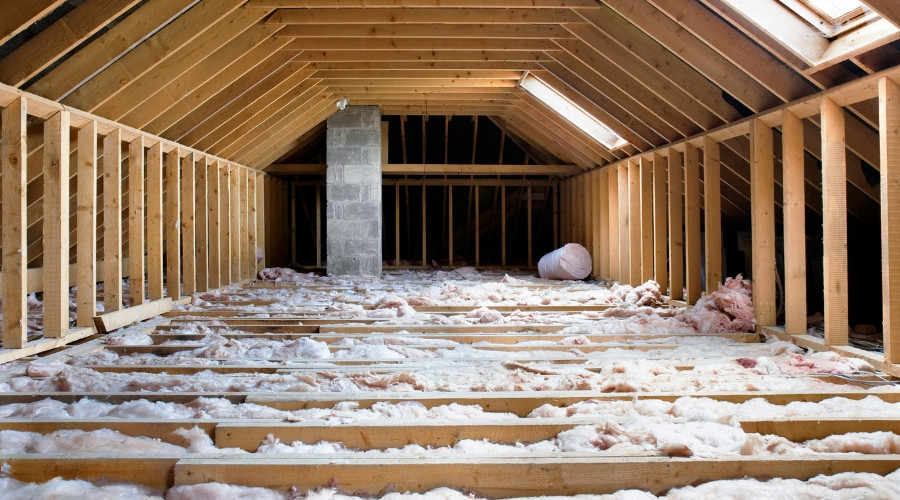
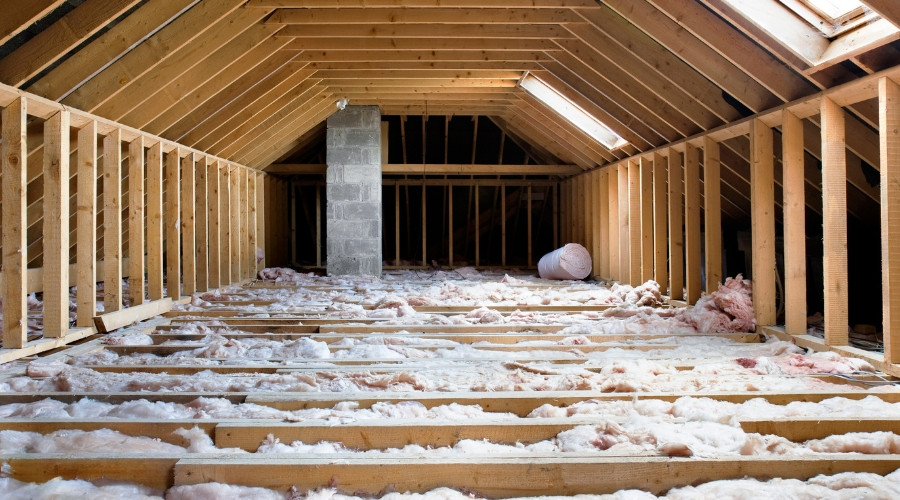
Beyond sealing air leaks around doors and windows with weatherstripping, enhancing a home's insulation is another effective weatherization technique. Adding insulation, particularly in attics and walls, acts as a thermal barrier, significantly slowing the transfer of heat between a home's interior and the outside environment. In colder months, this means the furnace or heating system doesn't have to work as hard to keep the house warm by preventing heat from escaping through poorly insulated surfaces. During warmer periods of the year, good insulation prevents external heat from infiltrating living spaces, reducing the demand on air conditioning. This consistent thermal regulation is crucial for maintaining a comfortable indoor temperature year-round, regardless of the weather outside.

However, the benefits of improved insulation extend far beyond just comfort. By reducing heat transfer, enhanced insulation directly translates to lower energy consumption for heating and cooling, resulting in substantial savings on utility bills. Furthermore, a well-insulated home experiences fewer temperature fluctuations, eliminating cold spots and overly warm areas, which contributes to a more consistent and pleasant indoor climate. It also helps lessen the strain on heating and AC systems, potentially extending their lifespan. Investing in better insulation is a long-term solution that not only makes the home more energy-efficient and comfortable but also increases its value.

About A-Plus Air Conditioning & Home Solutions

A-Plus Air Conditioning & Home Solutions is a family-owned and operated company serving the Austin area since 1977. They offer friendly and fast service, financing, and flat-rate pricing. Call them for weatherization services in Austin, TX.

Distribution Links +

Improve Comfort and Efficiency With Weatherization Services

Common Weatherization Techniques and Signs Weatherization Is Needed

Is the home drafty? Do energy bills seem unusually high? These can be signs that a home could benefit from weatherization. Weatherization involves a variety of techniques designed to seal the building envelope, enhancing energy efficiency and comfort by sealing air leaks and improving insulation. This post will share signs indicating a home needs weatherization services and some common and beneficial weatherization methods.

Signs a Home Needs Weatherization

billsRecognizing the signs that a home needs weatherization is the first step toward a more comfortable and energy-efficient living space. One of the most common indicators is the presence of noticeable drafts, especially near windows and doors, even when they are closed. These drafts are often accompanied by visible gaps or cracks around doors and windows, allowing conditioned air to escape and unconditioned air to enter. Inconsistent indoor temperatures throughout a house, with some rooms cooler while others are too warm, can also point to inadequate insulation or air sealing and the need for weatherization.

Another sign that indicates a home would benefit from weatherization is high energy bills. High utility bills can signal that the heating and air conditioning systems are working harder than necessary to maintain desired indoor temperatures due to air leaks or poor insulation. Additionally, if people notice that dust accumulates rapidly indoors, it can indicate gaps in the building envelope that weatherization can address. Addressing these issues not only improves home comfort but also improves energy efficiency, which can lead to substantial savings on energy costs over time.

Weatherstripping

weatherstrippingWeatherstripping is used to seal openings around movable components of a building, primarily doors and windows. It's typically made from materials like foam, rubber, felt, and vinyl, designed to compress and create a tight seal when a door or window is closed. The primary purpose of weatherstripping is to prevent air leakage, which includes the infiltration of drafts, dust, moisture, and even sound. By creating a barrier between the indoor and outdoor environments, weatherstripping plays a crucial role in maintaining a consistent indoor temperature and protecting the interior from external elements.

The benefits of properly installed weatherstripping are significant. Firstly, it improves a home's energy efficiency by reducing the amount of conditioned air that escapes and unconditioned air that enters. This lessens the workload on heating and cooling systems, leading to lower energy consumption and reduced utility bills. Secondly, weatherstripping enhances indoor comfort by eliminating cold drafts in winter and preventing hot air from entering in summer. Additionally, it helps to keep out dust and allergens, contributing to better indoor air quality, and can even reduce noise pollution from outside, creating a quieter living space.

Improving Insulation

Beyond sealing air leaks around doors and windows with weatherstripping, enhancing a home's insulation is another effective weatherization technique. Adding insulation, particularly in attics and walls, acts as a thermal barrier, significantly slowing the transfer of heat between a home's interior and the outside environment. In colder months, this means the furnace or heating system doesn't have to work as hard to keep the house warm by preventing heat from escaping through poorly insulated surfaces. During warmer periods of the year, good insulation prevents external heat from infiltrating living spaces, reducing the demand on air conditioning. This consistent thermal regulation is crucial for maintaining a comfortable indoor temperature year-round, regardless of the weather outside.

However, the benefits of improved insulation extend far beyond just comfort. By reducing heat transfer, enhanced insulation directly translates to lower energy consumption for heating and cooling, resulting in substantial savings on utility bills. Furthermore, a well-insulated home experiences fewer temperature fluctuations, eliminating cold spots and overly warm areas, which contributes to a more consistent and pleasant indoor climate. It also helps lessen the strain on heating and AC systems, potentially extending their lifespan. Investing in better insulation is a long-term solution that not only makes the home more energy-efficient and comfortable but also increases its value.

About A-Plus Air Conditioning & Home Solutions

A-Plus Air Conditioning & Home Solutions is a family-owned and operated company serving the Austin area since 1977. They offer friendly and fast service, financing, and flat-rate pricing. Call them for weatherization services in Austin, TX.

Distribution Links +